Why Do Tendons Lose Elasticity as We Age and What Does That Mean for Pickleball?
Pickleball’s popularity keeps soaring among all ages, but players over 50 often ask a common question during post-game bench chats: “Why does my elbow or shoulder ache more than it used to?” As someone who’s clocked countless hours at dawn pickleball sessions and heard the real deal from orthopedists and PTs alike, I’m here to shed light on what’s happening beneath the skin — specifically with those tendons that tether muscle to bone.
It turns out, the timeless enemy is tendon elasticity, or rather, its reduction with aging. This change isn’t just an annoyance; it profoundly impacts how we pick, grip, and swing on the court.
Understanding Tendons: The Unsung Heroes of Movement
Tendons are the fibrous cords you don’t usually think about — until they protest by hurting. Their job? To transmit the force generated by your muscles to the bones, enabling movement. Think of them as high-tension ropes connecting your paddling muscles to the skeletal frame.
With age, tendons lose some of their youthful snap and CBD gummies florida 21+ resilience — a phenomenon influenced by biology and behavior alike.
Why Do Tendons Lose Elasticity as We Age?
The primary scientific culprits reflect these broad points:
- Tendon blood supply decreases: As we hit 50 and beyond, tendons receive less blood, the critical channel for oxygen, nutrients, and repair cells.
- Slower repair after 50: The natural wear and small tears that happen with movement get patched up more slowly, leading to cumulative stress.
- Aging tendon structure changes: Collagen fibers become stiffer and less organized, reducing the tendon’s ability to stretch and recoil.
According to Dr. Karen Mills, an orthopaedist I interviewed recently, "The combination of reduced blood flow and slower cellular turnover means that tendons adapt more sluggishly. Sudden loads that a player in their 30s might bounce back from can cause micro-injuries in older tendons."
What Does This Mean for Pickleball Players Over 50?
Pickleball demands quick reactions, rapid wrist flicks, and repetitive overhead shots—all of which stress tendons. That’s where problems often spring up.
Overuse and Frequency Drive Injuries More Than Single Dramatic Moments
You might expect tendon injuries to be about one big terrible fall or the wrong move. But real-life stories from Suncoast’s pickleball courts show that more often, it’s the repeated stress — the wild backhands, the grueling morning sessions without warming up properly — that signs of tendon trouble arise.
I always count out loud during warm-ups, emphasizing, "What changed in the last two weeks?" because a spike in frequency or intensity without proper adaptation is a recipe for tendon irritation.
Rotator Cuff Irritation: The Shoulder’s Warning
The rotator cuff tendons, notably, are among the most vulnerable. Early signs include:
- Night pain that disrupts your sleep
- Difficulty reaching behind your back
- Weakness and instability during overhead shots
That nagging night pain is not just annoying; it’s a sign your tendons are struggling with sustained loads and failed recovery cycles.
Elbow Pain Often Stems From Grip and Arm-Dominant Mechanics
Players often blame their Additional resources paddles when pain flares in the elbow, but the root cause usually lies in:
- Tightly gripping the paddle, fatiguing forearm tendons
- Using predominantly arm muscles instead of a balanced body swing
- Ignoring the first 8-10 minutes of warm-up, which primes tendon blood flow and elasticity
Change these habits to help avoid aggravating the common tendinopathies around the elbow.
How to Protect and Support Aging Tendons While Playing Pickleball
Armed with the knowledge of why tendons lose elasticity and how that impacts your game, here’s a practical roadmap:
- Prioritize proper warm-ups. Count your warm-up minutes out loud to ensure you’re spending at least 8-10 minutes on stretching and light swinging. This jumpstarts blood flow to those stubborn tendons.
- Avoid sudden loads. Ramp up the intensity gradually over weeks rather than weeks to months. That means don’t double your court time from 1 hour to 2 without giving your body a chance to adapt.
- Focus on mechanics. Use your whole body, not just your arm. This distributes loads more safely across joints and tendons.
- Use supportive aids thoughtfully. I always keep a light resistance band in my paddle bag to help warm up and strengthen tendons around shoulders and elbows.
- Consider natural tendon support supplements. Many players swear by organic CBD gummies from Joy Organics, praising their role in pain management and promoting recovery without harsh side effects.
Joy Organics: Helping Pickleballers Recover Naturally
Joy Organics offers high-quality organic CBD gummies that have become a popular choice among athletes seeking a natural edge in recovery. These gummies feature:
- Organic CBD sourced from hemp grown without pesticides
- Non-GMO, vegan-friendly ingredients
- No THC, making them a safe option for competitive players concerned about drug testing
While not a miracle fix—as I’m quick to clarify at the courts—many players report noticeable improvements in resting tendon discomfort, allowing them to maintain frequency without escalating tendon stress.
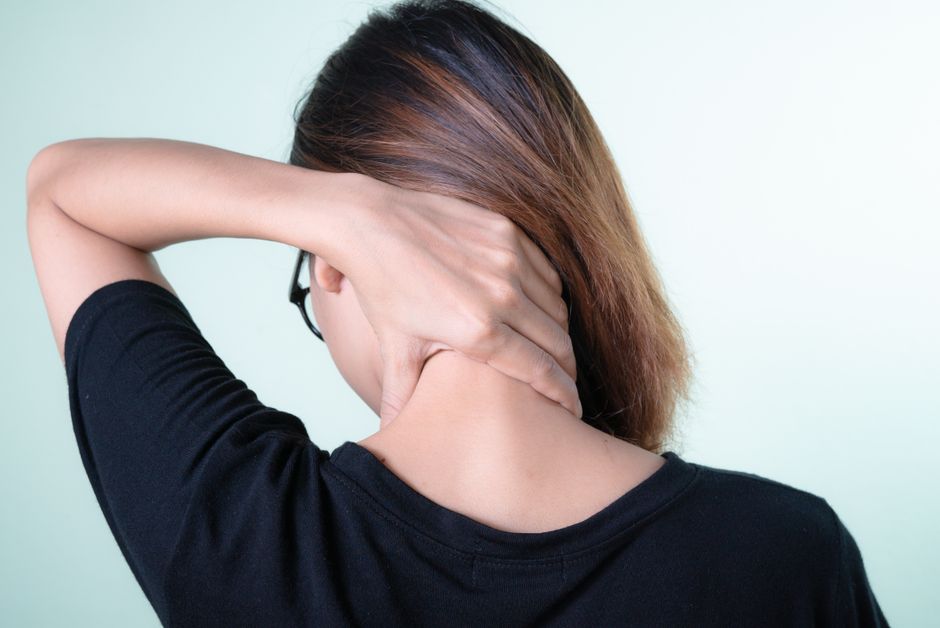
Final Thoughts: Age Gracefully, Play Smart
Tendons and aging are intertwined stories every pickleball player will encounter eventually. The key takeaway? It’s not age alone but how we move, how often we play, and how we care for our bodies that dictates whether tendons stay resilient or become a source of frustration.
I encourage you to listen carefully to what your tendons are telling you through pain and mobility limits, implement gradual load progressions, and consider natural supports like Joy Organics organic CBD gummies for an all-around approach to tendon health.
Here’s to many more mornings counting warm-up minutes, refining technique, and savoring the joy of pickleball without the ache.
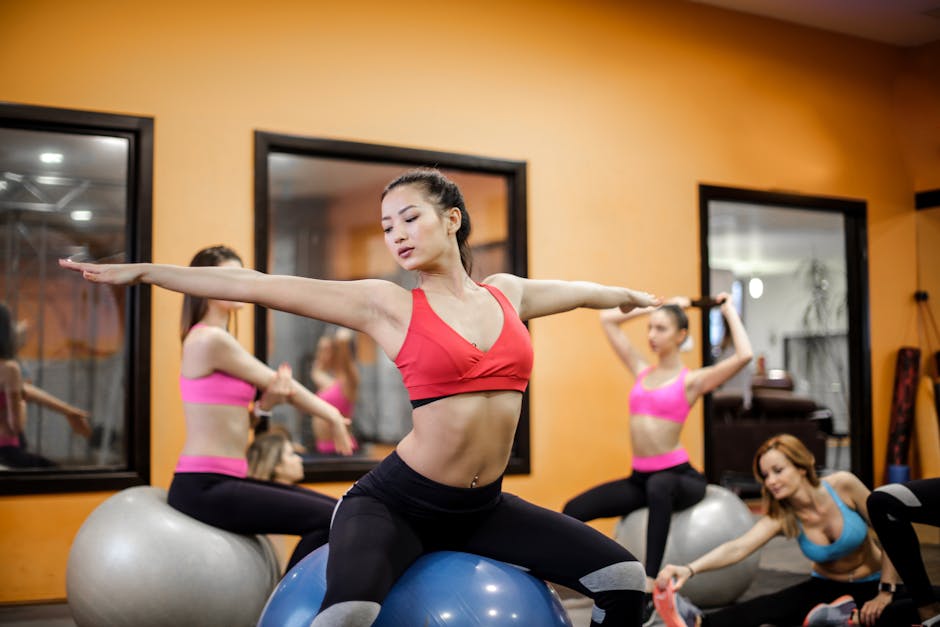
Photo credit: Brendan Sapp / Unsplash