Why Did My Kid’s Asthma Not Improve After Pest Control Treatment?
As a licensed pest control operator working along Florida’s northeast coast for over 10 years, I often hear from frustrated parents: "We treated the cockroaches, but my child’s asthma isn't any better. Why?" If you’re wondering why allergen-related asthma symptoms persist despite pest control intervention, you’re not alone. Understanding the complex relationship between cockroach allergens, persistent dust, and environmental factors is key to improving your child’s health.
The Hidden Culprit: Cockroach Allergen Proteins and Asthma
Cockroach allergens trigger allergic reactions and asthma symptoms in many children. The main proteins responsible are known as Bla g (from German cockroaches) and Per a (from American cockroaches). These proteins are found in cockroach feces, saliva, and body parts. Even after pest control kills the insects, the allergenic proteins often linger in dust and uncleaned areas, perpetuating asthma symptoms.
The Science Behind Bla g and Per a
These allergen proteins are highly potent. They become part of dust particles that settle in hard-to-reach areas of the home—under appliances, in cracks, and behind baseboards. When inhaled repeatedly, they can worsen asthma symptoms and trigger attacks. Simply eliminating the live insects is not enough to stop exposure.
Why Asthma Persists After Cockroach Extermination
Pest control treatments usually focus on killing the cockroaches but do not address the allergen dust cleanup required post-treatment. Without thorough cleaning of allergen reservoirs, asthma symptoms can linger or worsen.
Hidden Infestations and Persistent Allergen Dust
Cockroach populations often hide in wall voids, underneath refrigerators, cabinets, and behind appliances. Florida’s year-round warm temperatures and humidity create an ideal breeding ground, encouraging cockroaches to reproduce continuously. This means even after treatment, roaches sometimes remain hidden and continue to shed allergenic proteins.

- Hidden infestations: Roaches accessing areas invisible to casual inspection.
- Persistent allergen dust: Decomposing proteins and fecal matter accumulating despite eradication of visible insects.
- Re-infestation pressure: In Florida’s humid climate, cockroaches from outside can easily re-enter homes.
Florida’s Environmental Challenge: Year-Round Humidity and Outdoor Pressure
Florida’s subtropical climate means high humidity and mild winters that allow roaches to thrive year-round. Moreover, outdoor populations exert constant pressure on indoor environments by seeking food, moisture, and shelter in homes.
Environmental Factor Effect on Cockroach Behavior Impact on Allergen Persistence High Humidity (60-80%) Supports rapid reproduction and survival More cockroach waste deposits indoors Mild Winters Less die-off, continuous infestation cycles Allergen buildup over time Outdoor Cockroach Populations Constant migration indoors in search of food Repeated allergen reintroduction despite control effortsAmerican Cockroach (Palmetto Bug) vs German Cockroach: Key Differences
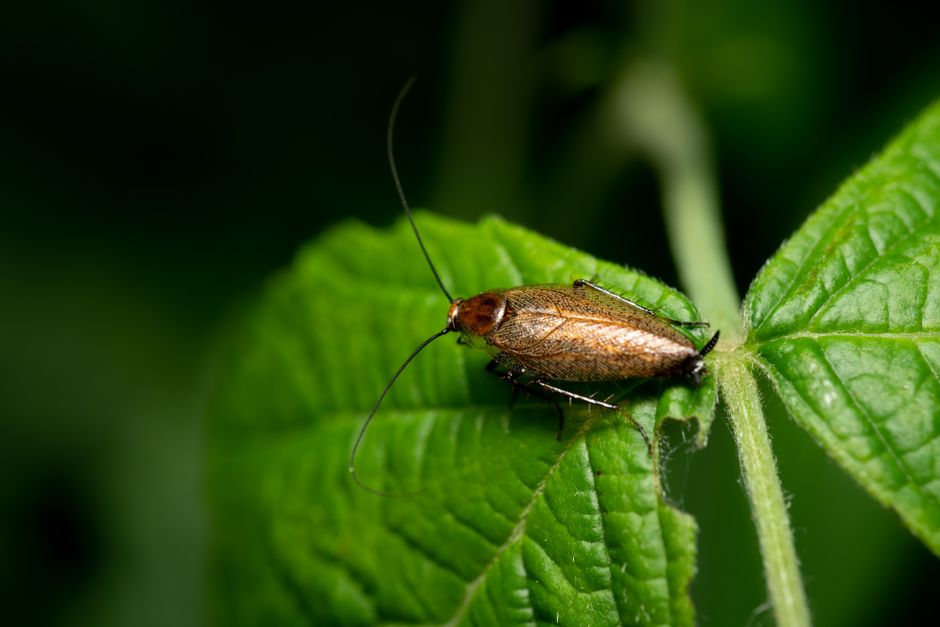
Many people call any large cockroach a “palmetto bug,” but this misnomer can lead to confusion in pest management and allergen control.
- American cockroach (Periplaneta americana): Larger, arrives often from outdoors, less indoor breeding but leaves Per a allergens.
- German cockroach (Blattella germanica): Smaller, prolific indoor breeder, primary source of Bla g allergens.
German cockroaches are the main culprits for indoor allergen exposure related to pediatric asthma. American cockroaches contribute, but their populations tend to be more transient indoors. Pest control strategies and allergen cleanup should focus heavily on German cockroach management.
Key Tools and Strategies to Reduce Allergen Persistence After Treatment
Simply killing cockroaches doesn’t remove the old allergen residue. Here’s what must be done:
1. Post Treatment HEPA Filter Vacuuming
Use a vacuum cleaner equipped with a HEPA filter to remove microscopic allergen proteins embedded in dust. HEPA vacuums trap these tiny particles instead of recirculating them into the air. Focus on areas under appliances, edges of walls, and carpet edges where dust accumulates.
2. Wet-Wiping Instead of Dry-Dusting
Dry dusting just stirs up allergen dust, making it airborne and easier to inhale—worsening asthma symptoms. Wet-wiping surfaces with a damp cloth captures dust and allergens, preventing redistribution.
3. Pull the Fridge Out Before Buying Another Spray
This is my signature advice because so many people miss the hidden biofilm and allergen deposits under their refrigerators. Cleaning these hotspots reduces persistent allergens dramatically. Never rely on sprays alone—they do not reach hidden allergen reservoirs.
Summary: Why Your Child’s Asthma May Not Improve Immediately
- Allergen proteins persist long after the roaches are dead.
- Hidden infestations and dust reservoirs keep allergens circulating.
- Florida’s humid climate encourages year-round roach activity.
- Indoor pest control without thorough allergen cleanup is only half the solution.
Effective asthma improvement requires integrated pest management plus proper allergen dust removal using HEPA vacuuming and careful wet cleaning. If you’ve noticed no relief, check for hidden cockroach hotspots, pull out appliances, and start deep cleaning. And avoid bug bombs—they just make things worse.
Final Note from a Florida Pest Control Pro
Don’t let vague online cleaning advice fool you—if you want to reduce allergen exposure properly, think beyond killing cockroaches. Focus on removing allergen dust, especially under and behind appliances, with HEPA vacuums and wet-cleaning methods. This dual approach is what ultimately helps kids breathe easier in Florida homes.
If you have questions about pest goodmenproject.com control and allergen cleanup in St. Johns or Flagler counties, reach out! I’m happy to share local insights and practical advice—just don’t confuse every roach with a palmetto bug, and please, leave those bug bombs on the shelf.