Should I Avoid the Cheapest Provider for Anything Needing a Clinical Assessment?
When it comes to your health, especially services requiring a clinical assessment, Learn more the age-old adage often holds true: you get what you pay for. But how does this principle apply when using NHS services, paying prescription charges, or considering prepayment certificates?
In this blog post, we’ll break down:
- Why "cheapest" isn’t always best for clinical assessment matters
- How NHS prescription charges work and the role of Prepayment Certificates (PPCs)
- How to do quick break-even math to decide if a PPC makes financial sense
- Eligibility rules to avoid penalties and unnecessary charges
- Pharmacy First and the value of pharmacist-led care
Clinical Assessment Matters: Why Quality Over Price Often Wins
Healthcare is not just about slapping a bandage on a problem or dispensing a pill. Many conditions require a thorough clinical assessment—that means history taking, physical examination, and sometimes diagnostic tests. These steps are crucial to ensure the right diagnosis and treatment.
Opting for the cheapest provider for services that need this careful clinical assessment can be risky. Here’s why:
- Limited Time With Clinicians: Low-cost 'clinics' might push through patients in a hurry, missing key symptoms.
- Less Experienced Staff: The cheapest option may rely on less qualified or overworked staff.
- Hidden Costs: The initial cheap consultation might lead to more tests or treatments that add up.
- Continuity of Care: Cheaper options often lack integration with your NHS records, risking fragmented care.
So, while price matters, especially for those mindful of budgets, health outcomes depend heavily on quality clinical assessments—which often cost more to deliver.
Understanding NHS Prescription Charges and How to Save
One of the biggest causes of frustration and overpayment among NHS patients is prescription charges. In England, prescription charges are per item, not per prescription — so if you pick up five medications in one visit, you pay five times the charge (currently £9.65 per item as of mid-2024).
This makes it really important to understand how to manage these costs, and a great tool is the Prepayment Certificate (PPC).
What Is a Prepayment Certificate (PPC)?
A PPC lets you pay a fixed fee upfront to cover all NHS prescription charges for either:
- 3 months (around £30.25)
- 12 months (around £108.10)
If you have multiple prescription prepayment certificate medications, especially regular ones, this can save you money—but only if you use enough prescriptions to break even.
Doing the Break-Even Math Out Loud
Let’s say you pick up 2 medication items per month. Each costs £9.65, so in a year that’s 2 × £9.65 × 12 = £231.60.
Compare this to a 12-month PPC for £108.10. That means you’d save £123.50 over a year by getting a PPC.
What about the 3-month PPC? Priced at £30.25, the break-even point there is three or more items in that quarter (3 × £9.65 = £28.95), so it can be a quick test if you’re unsure about committing to 12 months.
Payment options matter too: For the 12-month PPC, you can choose a convenient monthly direct debit—spreading the cost but committing you for the full year. The 3-month PPC, meanwhile, requires a one-off payment.
Keep Track with Bank Statements
One handy tip is to audit your prescription spending over the last 3 months using your bank statements. Count how many NHS prescription charges you’ve paid. If you’re consistently paying multiple charges each month, a PPC likely saves you money and stress.
Who’s Eligible for Free NHS Prescriptions — and How to Avoid Penalties?
Many people overpay by not checking if they qualify for free prescriptions. It pays to check eligibility and have the appropriate documentation ready at your pharmacy.
Common Eligibility Criteria Include:
- Age under 16, or 16-18 and in full-time education
- Pregnant or had a baby in the last 12 months (with a valid maternity exemption certificate)
- Receiving certain benefits (Income Support, Universal Credit under certain conditions, etc.)
- Being diagnosed with specific medical conditions (e.g., diabetes, cancer, epilepsy requiring continuous therapy)
- Holding a valid NHS prescription exemption certificate
If you don’t have your exemption paperwork and incorrectly pay, it’s unlikely to be refunded. Worse, if you claim to be exempt when you’re not, you could be fined. So double-check before you pay.
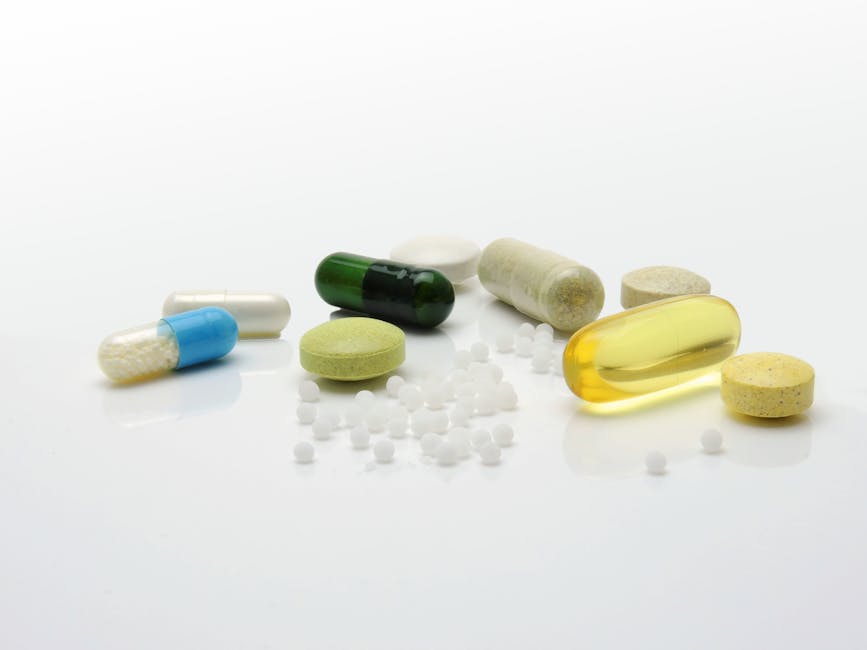
Pharmacy First and the Rise of Pharmacist-Led Care
Another NHS initiative worth considering is Pharmacy First. Instead of booking a GP appointment for minor illnesses, many areas let you see a pharmacist directly for advice, clinical assessment, and even prescriptions in some cases.
This approach balances quality and cost:

- Pharmacists have clinical training and can assess symptoms effectively
- Convenient walk-in or appointment services save you time
- It’s generally free at the point of use, reducing unnecessary prescription charges
Choosing Pharmacy First can be a smart way not only to get quality clinical assessment for minor conditions but also to avoid costly prescriptions or follow-up appointments that might otherwise come from a rushed GP consultation or low-cost private clinic.
Summary Table: Comparing Options for Prescription Costs and Clinical Care
Option Best for Cost Implications Quality & Clinical Assessment NHS GP & Pharmacy Routine and chronic conditions Pay per prescription item; PPC can reduce costs High-quality, with integrated care Prepayment Certificates (PPC) Multiple prescriptions regularly £30.25 (3 months) or £108.10 (12 months); monthly direct debit available for 12 months Not a service—saves money on prescriptions only Private Low-Cost Providers Occasional use; minor ailments only Often cheaper upfront but watch for hidden charges Risk of inadequate assessment and follow-up Pharmacy First Minor illnesses; early clinical assessment Usually free; potentially prevents costly prescriptions Clinician-led; accessible and integrated with NHSFinal Thoughts: Healthcare Quality vs Price
Healthcare is an area where the cheapest price rarely equals the best value. For anything requiring clinical assessment, opting solely based on low cost can lead to missed diagnoses, inappropriate treatment, and higher overall costs in time and money.
Understanding NHS prescription charges, eligibility for exemptions, and the role of PPCs can help you save money without compromising quality. Pharmacy First is an excellent example of high-value, accessible clinical care.
I've seen this play out countless times: learned this lesson the hard way.. Remember: Always check your eligibility for free prescriptions and consider whether a PPC fits your prescription usage before handing over money. Audit your costs with bank statements or receipts—it’s surprisingly easy to overpay without realising.
Do your quick break-even math and keep quality of care front and centre when making healthcare decisions. After all, your health is priceless.