Is Booth Drinking the Reason I Wake Up Exhausted?
If you’ve spent time behind a DJ booth, especially during weekend club gigs or on tour, you’ve probably seen it: the ritual of club booth drinks, those casual sips handed around between sets or after the last track. It feels like a bonding moment, a way to unwind, or just part of “the grind.” But here’s the inconvenient truth — alcohol, even in modest amounts, can seriously undermine your recovery by suppressing deep sleep. And when combined with the brutal rhythm of shifting schedules and travel, it might explain why you often wake up feeling utterly drained.
The DJ’s Unique Sleep Challenge: A Shift Work Puzzle
DJs live in a world that doesn’t resemble a typical 9-to-5 schedule. Their “shifts” start late, end well past sunrise, https://www.side-line.com/what-nocturnal-work-does-to-producers-and-djs/ and often flip wildly on weekends or when hopping between time zones. From the perspective of sleep science, this is classic shift work. And while bartenders, nurses, and emergency responders have been studied extensively for how shift work wrecks sleep and health, our booth-based lifestyle has only recently begun to get attention.
Circadian Rhythm and the Light Cues That Drive It
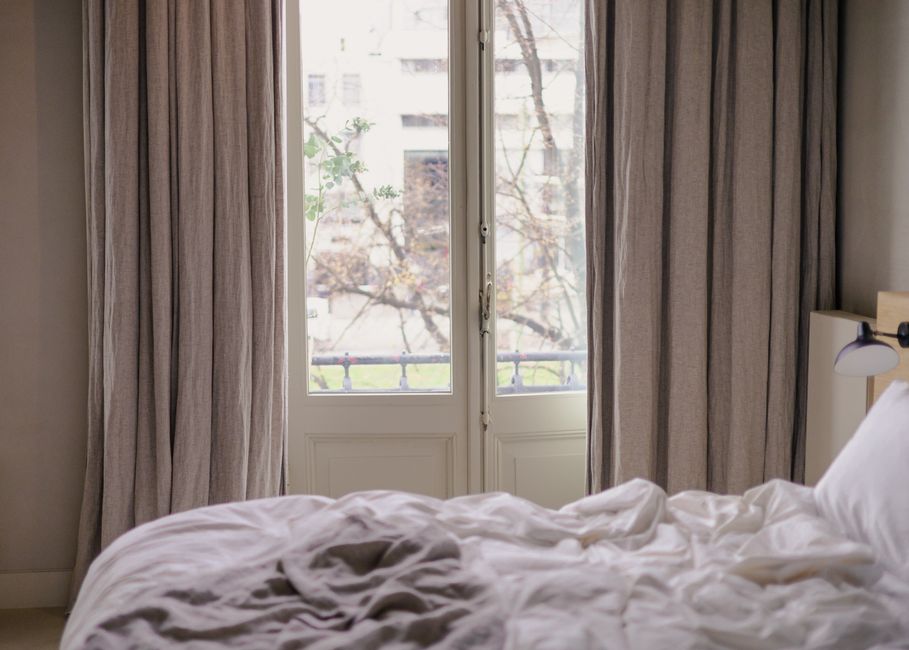
Our body’s internal clock, or circadian rhythm, is largely orchestrated by environmental light. It informs your brain when it’s time to sleep and when to be alert. DJs tend to work under bright stage lights at night and then attempt to crash in dark hotel rooms during the day — but often hotel blackout curtains fail spectacularly *.
- Exposure to intense LED or spotlights in a booth during “night” hours sends conflicting signals to your brain.
- Arriving at a hotel mid-sleep phase, poor blackout curtains let in early morning light, prematurely waking you.
- These factors shift or weaken the circadian rhythm, leading to fragmented and non-restorative sleep.
This is compounded by alcohol consumption right before or after these active windows — which can suppress the deep, slow-wave sleep that your body needs to truly recover.
Club Booth Drinks and Alcohol: A Double-Edged Sword
The wine, beer, or cocktail that seems like a natural way to relax after a set might be sabotaging your rest. Scientific studies from shift work research show that even small-to-moderate alcohol intake significantly reduces REM and deep sleep phases. You may fall asleep faster, but your body is shortchanging its recovery.
How Alcohol Suppresses Deep Sleep
Deep sleep stages (Stage 3 or slow-wave sleep) are vital for muscle repair, hormonal balance, memory consolidation, and immune function. Alcohol disrupts the brain’s natural production of gamma-aminobutyric acid (GABA) and acetylcholine—neurotransmitters important for sleep architecture.
- You get less restorative slow-wave and REM sleep.
- Sleep is fragmented by frequent awakenings in the second half of the night.
- You experience a rebound effect of lighter, less restful sleep the next night.
Put simply, your booth drinks might feel like they help you relax, but they can extend fatigue months down the road.
Flipping the Schedule and Weekend Touring: The Sleep Ledger
Many DJs flip their schedules dramatically on weekends and during touring runs. Here’s a typical ledger of wake and set times:
Day Wake Time (Hotel) Set Time (Club Booth) Hour Difference Sleep Opportunity Thursday 10:00 AM 11:30 PM +13h 30m 7h (Typical) Friday (Late Start) 4:00 PM (Nap) 1:00 AM +9h 5h (Short by 2h compared to normal) Saturday (Next-day recovery) 11:30 AM Midnight +12h 30m 6h (Usually fragmented)That’s an ongoing sleep deficit building over days, intensified by often having to wake early on “off” days to travel or pack gear back into a flight case. Add the booth drinks, less blackout curtain effectiveness, and low sleep pressure from fragmented rest to the mix, and it’s a recipe for exhaustion.
Time Zones and Routing Tradeoffs: More Than Just Jet Lag
DJs often debate the best routing to minimize jet lag or early wake-ups — some prefer long-haul red-eyes, others multiple short hops with layovers. Each carries costs:
- Red-eye flights: Maximize daytime rest but disrupt circadian rhythm, often reducing total sleep quantity.
- Multiple layovers: Fragmented sleep windows, but may ease gradual adjustment.
- Flight case logistics: Packing and unpacking under time pressure can eat into rest time and create physical stress.
Without enough deep sleep, fatigue accumulates faster than most realize — and many assume a simple booth drink or two isn’t a big deal. But even a single night of suppressed recovery can make the difference between feeling fresh and feeling like your head’s still in the club hours after you left.

Practical Tips to Break the Cycle
- Limit or skip booth drinks: Try non-alcoholic options or limit intake to early in the evening to allow partial metabolism before sleep.
- Bring travel blackout curtains or eye masks: Hotels are notoriously inconsistent; your aging list of curtain failures is a real concern.
- Use your USB sticks wisely: Streamline your DJ workflow so you’re not stressed packing or setting up mid-night.
- Schedule naps strategically: Short 20-30 minute naps before or after sets can partially offset short nighttime sleeps.
- Plan routing with sleep in mind: Prioritize routes that allow you to maintain some semblance of consistent circadian patterns.
Final Thoughts
The ritualistic “booth drink” isn’t just harmless fun — for DJs balancing late nights, shifting schedules, and massive travel demands, it can be a hidden drain on recovery and performance. Understanding how alcohol interacts with your circadian rhythm and sleep architecture is crucial for reclaiming energy and feeling human again. So next time you reach for that booth drink, consider the long-term cost to your most important instrument: your body and mind.
Footnote: That ongoing hotel blackout curtain failure log I keep now numbers over a dozen venues where a single layer of curtains does zero to stop early light — sending me from REM back to “awake, annoyed.”