How Much Turning Space Do You Need for a Walking Aid at Home?
Designing a home that's both comfortable and safe for users of walking aids requires more than just style or basic accessibility. Especially in humid climates like Singapore, where moisture and mould are persistent challenges, thoughtful planning around walking aid clearance and manoeuvring space can transform your home into a true health driver.
Why Home Design Matters for Mobility and Health
When you or a loved one rely on walking aids—whether a cane, walker, or rollator—understanding how much turning radius and clearance space you need is crucial. But this isn’t only about wide doorways or clear hallways. It’s about creating a living environment that supports ease of movement while tackling humidity, mould risk, and hygiene.
A poorly designed space forces painful twists and turns, increasing fall risk. Meanwhile, a humid home with bad airflow encourages mould growth, which can worsen respiratory conditions, particularly for those with mobility issues. So, your home design should be approached holistically—combining physical space healthy home design ideas planning with materials and ventilation strategies.
Understanding Turning Radius and Clearance for Walking Aids
Here’s the core info every homeowner should know:
Turning radius home is a vital keyword for builders and renovators because these measurements dictate how furniture is arranged, where doors swing, and the width of corridors or landings.
Walking aid clearance means leaving free space that allows users to rotate their aids without squeezing or struggling. When this clearance is insufficient, it increases the the risk of collisions or falls.
How to Measure and Plan Safely
- Measure the overall footprint of the walking aid being used.
- Allow at least 500 mm extra clearance around that radius for easy manoeuvring.
- Consider doors that open outward or use sliding designs to maximize internal space.
- Check for obstacles like carpets, uneven tiles, or furniture legs interfering with the clear path.
Materials and Finishes for Hygiene and Moisture Resistance
You ever wonder why walking aids often use rubber or plastic tips to avoid slipping, but your flooring and wall finishes need to https://highstylife.com/what-home-design-details-trap-moisture-around-plumbing-connections/ be equally resistant to moisture and easy to clean. Choosing wrong materials here creates hidden mould hotspots and slipping hazards.
- Flooring: Non-porous, slip-resistant tiles or vinyl sheets work best in humid homes. Avoid wood in bathrooms or kitchens where water splashes frequently.
- Wall finishes: Use mould-resistant paint or wall panels, especially near wet areas.
- Door thresholds: Should be flush or ramped to avoid tripping while being water-resistant to prevent water damage.
For example, I always note “things that cause mould for no reason.” Slight water seepage behind skirtings with painted MDF in bathrooms is a classic case. That invisible dampness ruins materials and air quality for those who spend time indoors with mobility issues and respirators attached.
Ventilation and Airflow Planning in Humid Climates
Good ventilation and airflow is not a superficial detail—it radically reduces mould risk and keeps everyone safer.
Key tips for ventilation planning:
- Cross-ventilation: Ensure windows on opposite walls can open fully to create a breeze that quickly dries damp patches.
- Mechanical ventilation: Use exhaust fans in bathrooms and kitchens with moisture sensors to automatically remove humid air.
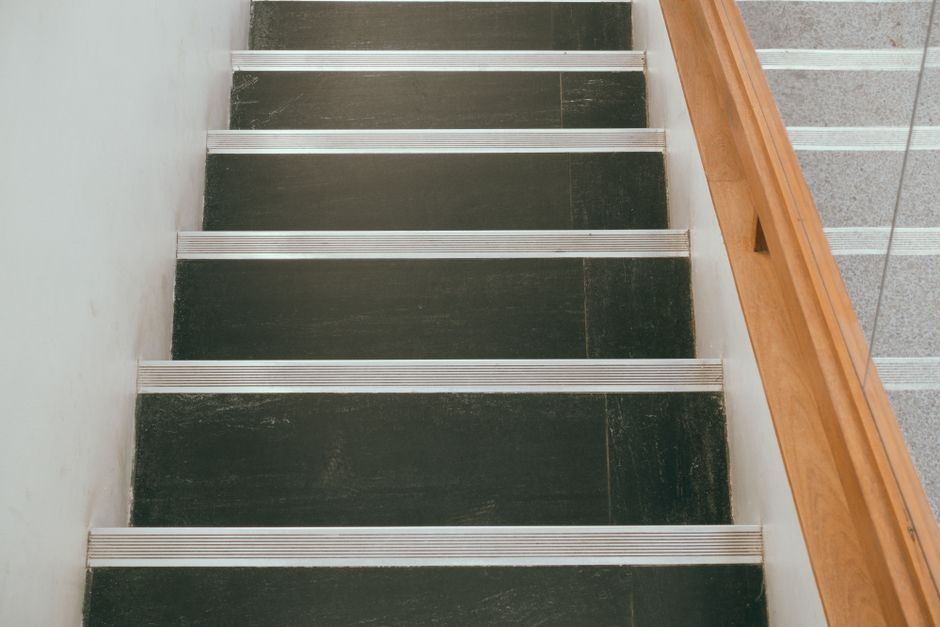
- Open stairwells and corridors: Widely spaced openings and vents prevent stagnant air pockets. Proper stair lighting also enhances safety during turning.
- Airflow paths: Avoid furniture or partitions that block airflow, especially in wheelchair-friendly routes.
On a recent walk through a designer’s project, I couldn’t help but notice poor stair lighting and airflow causing stuffy landing areas where elderly residents with walking frames struggled. Good design can prevent these issues.
Mould Prevention through Layout and Detailing
There’s a lot of misinformation floating around about mould. It is NOT simply a “cleaning problem.” Persistent mould indicates moisture intrusion or poor airflow. In homes where walking aids are essential, a mouldy environment worsens health outcomes and mobility.
Here’s how layout and detailing can help:
- Position wet zones carefully: Bathrooms and kitchens should be clustered but ventilated to keep moisture contained.
- Avoid hidden corners: Sharp corners with minimal airflow trap moisture. Rounded walls or angled passages improve air movement and walking aid turning radius.
- Use moisture barriers: Install properly sealed vapour barriers and membranes in wet areas during renovation.
- Keep clearance under sinks and counters: This helps cleaning and airflow around potential mould-prone zones.
Good detailing around door jambs, skirting boards, and junctions prevents invisible seepage. Remember, mould prevention starts at the drawing board.
Stay Informed and Connected
For those interested in learning more about managing home health through design, ventilation, and mobility, I recommend following relevant resources.
- Facebook: Check out the YourHealthDMV page for posts on health-driven home modifications.
- LinkedIn: Stay connected with designers and health experts via the Stay Connected section on LinkedIn groups focusing on accessibility and humid climate home design.
Summary Checklist for Safe Manoeuvring Space with Walking Aids
Design Aspect Recommendation Turning Radius Minimum 900 mm for cane; 1200-1500 mm for walkers/rollators Clearance Space 500 mm beyond turning radius for comfort Materials Moisture-resistant, easy to clean floors and walls Ventilation Cross-ventilation plus exhaust fans with sensors Mould Prevention Proper detailing, avoid hidden corners, install moisture barriers Lighting Ensure bright, shadow-free lighting on stairs and turning zonesPlanning with these principles will help you create a home that isn’t just accessible but proactively supports health through smart design. Don’t ignore how humidity and mould interact with physical mobility needs—they are two sides of the same coin.
```